

How to monitor the performance of an rbt double stage side channel blower in real - time?
As a supplier of RBT double stage side channel blowers, I understand the critical importance of real-time performance monitoring for these high-performance machines. In this blog post, I'll share some practical insights and strategies on how to effectively monitor the performance of an RBT double stage side channel blower in real-time, ensuring optimal operation and longevity.
Understanding the Basics of RBT Double Stage Side Channel Blowers
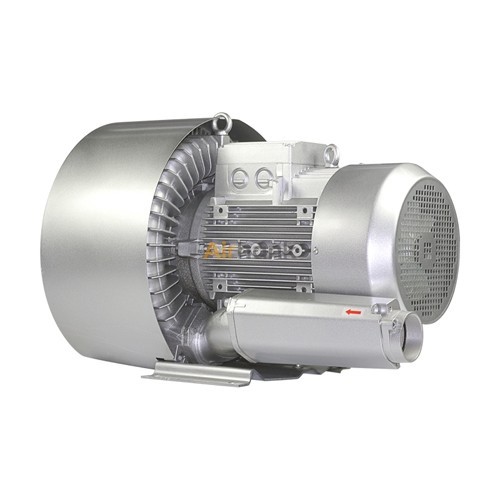
Before delving into the monitoring techniques, it's essential to have a clear understanding of what an RBT double stage side channel blower is and how it operates. These blowers are designed to generate high-pressure and high-volume airflows, making them ideal for a wide range of industrial applications, including Pump Turbine Side Channel Blower and Dedicated Drying System BlowerRBG810 5D5C.
The double stage design of these blowers consists of two impellers working in series, which allows for increased pressure generation compared to single-stage blowers. The side channel design, on the other hand, enables efficient air movement and high flow rates. These features make RBT double stage side channel blowers a popular choice for applications that require reliable and powerful air handling.
Key Performance Indicators (KPIs) to Monitor
To effectively monitor the performance of an RBT double stage side channel blower in real-time, it's crucial to identify and track the key performance indicators (KPIs) that are most relevant to its operation. Here are some of the most important KPIs to consider:
1. Pressure and Vacuum
Monitoring the pressure and vacuum levels of the blower is essential for ensuring that it is operating within the specified range. Deviations from the normal pressure or vacuum levels can indicate issues such as blockages, leaks, or mechanical problems. Pressure sensors can be installed at the inlet and outlet of the blower to continuously measure these parameters.
2. Flow Rate
The flow rate of the blower determines the amount of air or gas that it can move per unit of time. Monitoring the flow rate helps to ensure that the blower is delivering the required volume of air for the application. Flow meters can be used to measure the flow rate accurately.
3. Temperature
Excessive temperature can cause damage to the blower's components and reduce its efficiency. Monitoring the temperature of the blower's motor, bearings, and other critical parts can help to detect potential overheating issues early on. Temperature sensors can be installed at strategic locations to monitor these temperatures in real-time.
4. Power Consumption
The power consumption of the blower is an important indicator of its efficiency. Monitoring the power consumption can help to identify any abnormal increases or decreases, which may indicate problems such as mechanical inefficiencies or electrical issues. Power meters can be used to measure the power consumption of the blower.
5. Vibration
Excessive vibration can be a sign of mechanical problems, such as misalignment, imbalance, or worn-out bearings. Monitoring the vibration levels of the blower can help to detect these issues early on and prevent further damage. Vibration sensors can be installed on the blower's housing to measure the vibration levels.
Real-Time Monitoring Techniques
Once you have identified the key performance indicators to monitor, the next step is to implement real-time monitoring techniques. Here are some of the most common methods used for real-time performance monitoring of RBT double stage side channel blowers:
1. Sensor-Based Monitoring
Sensor-based monitoring involves the use of various sensors to measure the KPIs mentioned above. These sensors can be connected to a data acquisition system, which collects and processes the data in real-time. The data can then be displayed on a dashboard or sent to a remote monitoring station for further analysis.
2. Remote Monitoring
Remote monitoring allows you to monitor the performance of the blower from a remote location. This can be particularly useful for applications where the blower is located in a hard-to-reach or hazardous area. Remote monitoring systems typically use wireless communication technologies to transmit the data from the sensors to a central monitoring station.
3. Predictive Maintenance
Predictive maintenance involves using data analytics and machine learning algorithms to predict when maintenance is required. By analyzing the historical performance data of the blower, these algorithms can identify patterns and trends that may indicate potential problems. This allows you to schedule maintenance activities proactively, reducing downtime and maintenance costs.
Benefits of Real-Time Performance Monitoring
Implementing real-time performance monitoring for your RBT double stage side channel blower offers several benefits, including:
1. Improved Efficiency
By monitoring the blower's performance in real-time, you can identify and address any issues that may be affecting its efficiency. This can help to reduce energy consumption and operating costs.
2. Increased Reliability
Real-time monitoring allows you to detect potential problems early on, before they cause significant damage to the blower. This can help to prevent unexpected breakdowns and improve the reliability of the system.
3. Extended Lifespan
By ensuring that the blower is operating within the specified parameters, you can extend its lifespan and reduce the need for frequent replacements.
4. Enhanced Safety
Monitoring the blower's performance can help to detect any safety hazards, such as overheating or excessive vibration. This can help to prevent accidents and ensure the safety of your employees.
Conclusion
Real-time performance monitoring is essential for ensuring the optimal operation and longevity of RBT double stage side channel blowers. By identifying and tracking the key performance indicators, implementing real-time monitoring techniques, and leveraging the benefits of predictive maintenance, you can maximize the efficiency, reliability, and safety of your blowers.
If you're interested in learning more about our RBT double stage side channel blowers or how to implement real-time performance monitoring for your applications, please feel free to contact us. Our team of experts will be happy to assist you with your specific requirements and provide you with the best solutions.

References
- Manufacturer's documentation for RBT double stage side channel blowers
- Industry standards and guidelines for blower performance monitoring
- Research papers on real-time monitoring and predictive maintenance of industrial equipment