

How to monitor the operation status of an rbg double stage side channel blower?
As a supplier of RBG double stage side channel blowers, I understand the importance of monitoring the operation status of these powerful machines. In this blog post, I will share some effective methods and strategies to help you keep a close eye on your RBG double stage side channel blower, ensuring its optimal performance and longevity.
Understanding the RBG Double Stage Side Channel Blower
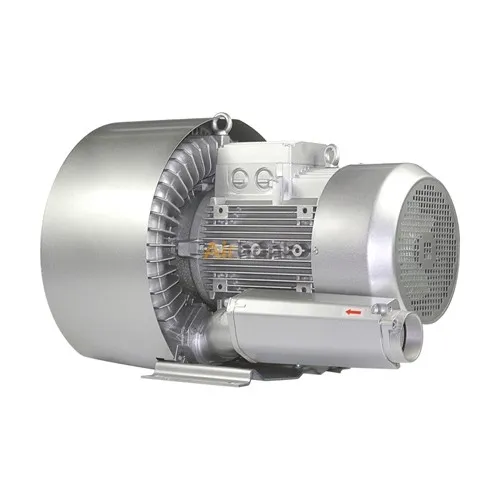
Before delving into the monitoring techniques, it's essential to have a basic understanding of the RBG double stage side channel blower. These blowers are widely used in various industrial applications, such as wastewater treatment, pneumatic conveying, and vacuum lifting. They are known for their high efficiency, low noise, and reliable performance.
The double stage design of these blowers allows for higher pressure and flow rates compared to single stage blowers. This makes them suitable for applications that require a more powerful air supply. However, the increased complexity of the double stage design also means that proper monitoring is crucial to prevent potential issues and ensure smooth operation.
Key Parameters to Monitor
To effectively monitor the operation status of an RBG double stage side channel blower, you need to keep an eye on several key parameters. These parameters can provide valuable insights into the blower's performance and help you detect any potential problems early on.
1. Pressure
Pressure is one of the most critical parameters to monitor in a side channel blower. The blower's pressure should be within the specified range for optimal performance. Too low pressure may indicate a blockage in the system or a problem with the blower itself, while too high pressure can cause excessive stress on the blower and lead to premature failure.
You can use a pressure gauge to measure the inlet and outlet pressure of the blower. Regularly checking these pressures and comparing them to the manufacturer's specifications can help you identify any deviations and take appropriate action.
2. Flow Rate
The flow rate of the blower determines the amount of air it can deliver. Monitoring the flow rate is essential to ensure that the blower is providing enough air for the application. A decrease in flow rate may indicate a clog in the air intake or a problem with the blower's impeller.
You can use a flow meter to measure the flow rate of the blower. Similar to pressure monitoring, regularly checking the flow rate and comparing it to the expected values can help you detect any issues and make necessary adjustments.
3. Temperature
The temperature of the blower is another important parameter to monitor. Excessive heat can cause damage to the blower's components and reduce its lifespan. Monitoring the temperature of the blower's motor, bearings, and other critical parts can help you detect any overheating issues and take preventive measures.
You can use a temperature sensor to measure the temperature of the blower. Set up temperature alarms to alert you when the temperature exceeds the safe range. This can help you avoid costly repairs and downtime.
4. Vibration
Vibration is a common indicator of mechanical problems in a blower. Excessive vibration can be caused by unbalanced impellers, loose components, or misalignment. Monitoring the vibration levels of the blower can help you detect these issues early on and prevent further damage.
You can use a vibration sensor to measure the vibration levels of the blower. Regularly checking the vibration levels and comparing them to the manufacturer's specifications can help you identify any abnormal vibrations and take appropriate action.
5. Noise
Unusual noise from the blower can also indicate a problem. A sudden increase in noise levels may be a sign of a mechanical issue, such as a worn-out bearing or a loose component. Monitoring the noise levels of the blower can help you detect these issues early on and prevent further damage.
You can use a sound level meter to measure the noise levels of the blower. Regularly checking the noise levels and comparing them to the normal operating noise can help you identify any abnormal noise and take appropriate action.
Monitoring Methods
Now that you know the key parameters to monitor, let's discuss some effective monitoring methods.
1. Manual Monitoring
Manual monitoring involves regularly checking the key parameters using the appropriate measuring tools, such as pressure gauges, flow meters, temperature sensors, vibration sensors, and sound level meters. This method is suitable for small-scale applications or when the blower is not in continuous operation.
To perform manual monitoring, you need to establish a regular monitoring schedule. Check the parameters at least once a day or more frequently if the blower is operating under heavy load. Record the readings in a logbook and compare them to the previous readings to detect any trends or deviations.
2. Automated Monitoring
Automated monitoring involves using a monitoring system to continuously monitor the key parameters of the blower. This method is more suitable for large-scale applications or when the blower is in continuous operation.
An automated monitoring system typically consists of sensors, a data logger, and a software interface. The sensors measure the key parameters and send the data to the data logger. The data logger stores the data and can be accessed remotely using the software interface.
Automated monitoring systems can provide real-time data and alerts, allowing you to quickly respond to any issues. They can also generate reports and analytics, which can help you identify trends and optimize the blower's performance.
3. Remote Monitoring
Remote monitoring is a type of automated monitoring that allows you to monitor the blower's operation status from a remote location. This method is particularly useful for applications where the blower is located in a remote or inaccessible area.
Remote monitoring systems typically use wireless communication technologies, such as Wi-Fi or cellular networks, to transmit the data from the sensors to a cloud-based server. You can access the data and control the monitoring system using a web browser or a mobile app.
Remote monitoring systems can provide real-time data and alerts, allowing you to quickly respond to any issues. They can also generate reports and analytics, which can help you identify trends and optimize the blower's performance.
Preventive Maintenance
In addition to monitoring the operation status of the blower, preventive maintenance is also essential to ensure its optimal performance and longevity. Here are some preventive maintenance tips:
1. Regular Cleaning
Regularly cleaning the blower's air intake and outlet filters can prevent blockages and ensure proper air flow. Clean the filters at least once a month or more frequently if the blower is operating in a dusty environment.
2. Lubrication
Proper lubrication of the blower's bearings and other moving parts can reduce friction and wear. Follow the manufacturer's recommendations for lubrication intervals and use the recommended lubricants.
3. Inspection
Regularly inspect the blower's components for signs of wear, damage, or loose connections. Check the impeller, bearings, belts, and other parts for any signs of damage or wear. Tighten any loose connections and replace any worn-out parts.
4. Calibration
Regularly calibrating the blower's sensors and measuring instruments can ensure accurate readings. Follow the manufacturer's recommendations for calibration intervals and use the recommended calibration equipment.
Conclusion
Monitoring the operation status of an RBG double stage side channel blower is essential to ensure its optimal performance and longevity. By keeping an eye on the key parameters, using effective monitoring methods, and performing preventive maintenance, you can detect any potential issues early on and take appropriate action.
If you are interested in purchasing an RBG double stage side channel blower or need more information about monitoring and maintenance, please feel free to contact us. We offer a wide range of high-quality 2HP 1.5KW Multi Stage Side Channel Blower and 3HP 2.2KW Dual-frequency Air Pump Blower to meet your specific needs. Our experienced team of experts can provide you with professional advice and support to help you make the right choice.
References
- Manufacturer's manual for RBG double stage side channel blowers
- Industry standards and guidelines for side channel blower operation and maintenance