

How to adjust the safety valve of an rbt double stage side channel blower?
As a trusted supplier of RBT double stage side channel blowers, I understand the importance of proper safety valve adjustment for the efficient and safe operation of these vital pieces of equipment. In this blog post, I'll share a comprehensive guide on how to adjust the safety valve of an RBT double stage side channel blower, ensuring optimal performance and longevity.
Understanding the Safety Valve in an RBT Double Stage Side Channel Blower
Before diving into the adjustment process, it's crucial to understand the role of the safety valve. In an RBT double stage side channel blower, the safety valve acts as a safeguard against over - pressure situations. When the pressure inside the blower exceeds a pre - set limit, the safety valve opens to release the excess pressure, preventing damage to the blower and other connected components.
Tools Required for Safety Valve Adjustment
To adjust the safety valve of an RBT double stage side channel blower, you'll need the following tools:
- A pressure gauge: This is used to measure the pressure inside the blower accurately.
- A wrench set: Different sizes of wrenches are required to loosen and tighten the nuts and bolts on the safety valve.
- A screwdriver: A flat - head or Phillips - head screwdriver may be needed to adjust certain components of the valve.
Step - by - Step Guide to Adjusting the Safety Valve
Step 1: Prepare the Blower
First, ensure that the RBT double stage side channel blower is turned off and disconnected from the power source. This is a critical safety measure to prevent any accidental start - up during the adjustment process. Also, allow the blower to cool down if it has been running recently, as high temperatures can affect the accuracy of the adjustment.
Step 2: Locate the Safety Valve
The safety valve is usually located on the pressure side of the blower. It is a small, cylindrical device with a spring - loaded mechanism. Refer to the blower's user manual if you're having trouble finding it.

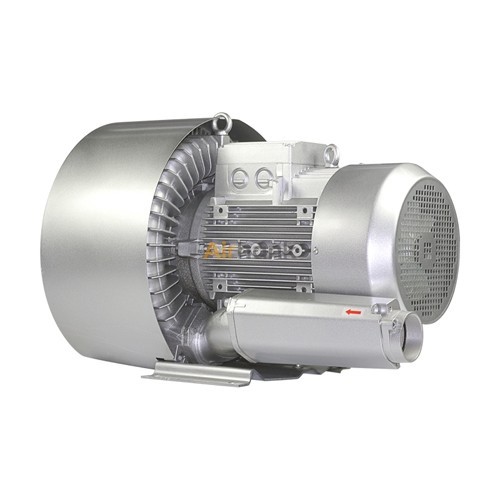
Step 3: Install the Pressure Gauge
Connect the pressure gauge to the appropriate port on the blower. Make sure the connection is tight to prevent any leaks. The pressure gauge will help you monitor the pressure inside the blower during the adjustment process.
Step 4: Initial Pressure Check
Turn on the blower and let it reach its normal operating pressure. Observe the reading on the pressure gauge. If the pressure is within the acceptable range specified in the blower's manual, there may be no need for adjustment. However, if the pressure is too high or too low, you'll need to proceed with the adjustment.
Step 5: Adjust the Spring Tension
The safety valve's opening pressure is controlled by the tension of the spring inside the valve. To increase the opening pressure, use a wrench to tighten the adjustment nut on the top of the valve. This will compress the spring, requiring more pressure to open the valve. Conversely, to decrease the opening pressure, loosen the adjustment nut.
Make small adjustments at a time, usually a quarter - turn of the nut. After each adjustment, turn off the blower, wait for the pressure to stabilize, and then turn the blower back on to check the new pressure reading.
Step 6: Fine - Tuning
Continue making small adjustments to the spring tension until the pressure reading on the gauge is within the recommended range. It's important to be patient during this process, as over - adjusting can lead to unstable pressure or even damage to the valve.
Step 7: Lock the Adjustment
Once you've achieved the desired pressure setting, use a lock nut to secure the adjustment nut in place. This will prevent the spring tension from changing due to vibrations or other external factors.
Step 8: Final Check
After locking the adjustment, turn off the blower again and disconnect the pressure gauge. Re - check all the connections and make sure everything is tightened properly. Then, turn on the blower one last time to confirm that the pressure remains stable within the acceptable range.
Common Issues and Troubleshooting
- Valve Not Opening at the Set Pressure: This could be due to a stuck valve or incorrect spring tension adjustment. Check for any debris or blockages in the valve and make sure the spring tension is set correctly.
- Valve Opening Too Early: If the valve opens at a pressure lower than the set value, the spring tension may be too loose. Tighten the adjustment nut slightly and re - check the pressure.
- Pressure Fluctuations: Fluctuations in pressure can be caused by a variety of factors, such as a leak in the system or a malfunctioning valve. Inspect the blower and all connected pipes for leaks and check the valve for proper operation.
Applications of RBT Double Stage Side Channel Blowers
RBT double stage side channel blowers are widely used in various industries. For example, the Dedicated Drying System BlowerRBG810 5D5C is specifically designed for drying systems, providing a reliable source of air flow. The Pump Turbine Side Channel Blower is used in applications where high - pressure air is required, such as in pump turbine systems.
Importance of Regular Maintenance
Proper adjustment of the safety valve is just one aspect of maintaining an RBT double stage side channel blower. Regular maintenance, including cleaning, lubrication, and inspection of all components, is essential to ensure the blower's long - term performance and reliability.
Conclusion
Adjusting the safety valve of an RBT double stage side channel blower is a crucial task that requires careful attention and the right tools. By following the steps outlined in this guide, you can ensure that your blower operates safely and efficiently. If you have any further questions or need assistance with your RBT double stage side channel blower, don't hesitate to contact us. We're here to help you with all your blower needs and can provide you with high - quality products and professional advice. Whether you're looking to purchase a new blower like the Dedicated Drying System BlowerRBG810 5D5C or the Pump Turbine Side Channel Blower, or need help with maintenance and adjustment, we're ready to engage in a productive procurement conversation.
References
- Manufacturer's user manual for RBT double stage side channel blowers
- Industry standards for side channel blower safety valve adjustment