

How to adjust a pump turbine side channel blower for high - altitude use?
When it comes to operating a pump turbine side channel blower at high altitudes, there are specific adjustments and considerations that are crucial for optimal performance. As a trusted supplier of top - notch pump turbine side channel blowers, I understand the unique challenges that high - altitude environments present and am here to guide you through the adjustment process.
Understanding the High - Altitude Challenges
At high altitudes, the air density is significantly lower compared to sea - level conditions. This reduction in air density has a direct impact on the performance of a pump turbine side channel blower. A blower that operates efficiently at sea level may experience a decrease in airflow, pressure, and overall performance when used at higher elevations.
The lower air density means that there are fewer air molecules available for the blower to work with. This results in reduced mass flow rate, which in turn affects the blower's ability to generate the required pressure and airflow. Additionally, the power consumption of the blower may change, and it may need to work harder to achieve the same performance levels as at sea level.
Pre - adjustment Checks
Before making any adjustments to the pump turbine side channel blower for high - altitude use, it is essential to conduct a series of pre - adjustment checks. First, inspect the blower for any signs of damage or wear. Check the impeller, housing, and all moving parts for cracks, chips, or excessive wear. Any damaged components should be replaced before attempting to adjust the blower.
Next, verify the blower's specifications. Ensure that the model you are using is suitable for high - altitude applications. Some blowers are designed with features that make them more adaptable to low - air - density environments. For example, the Pump Turbine Side Channel Blower is engineered to handle a wide range of operating conditions, including high - altitude use.

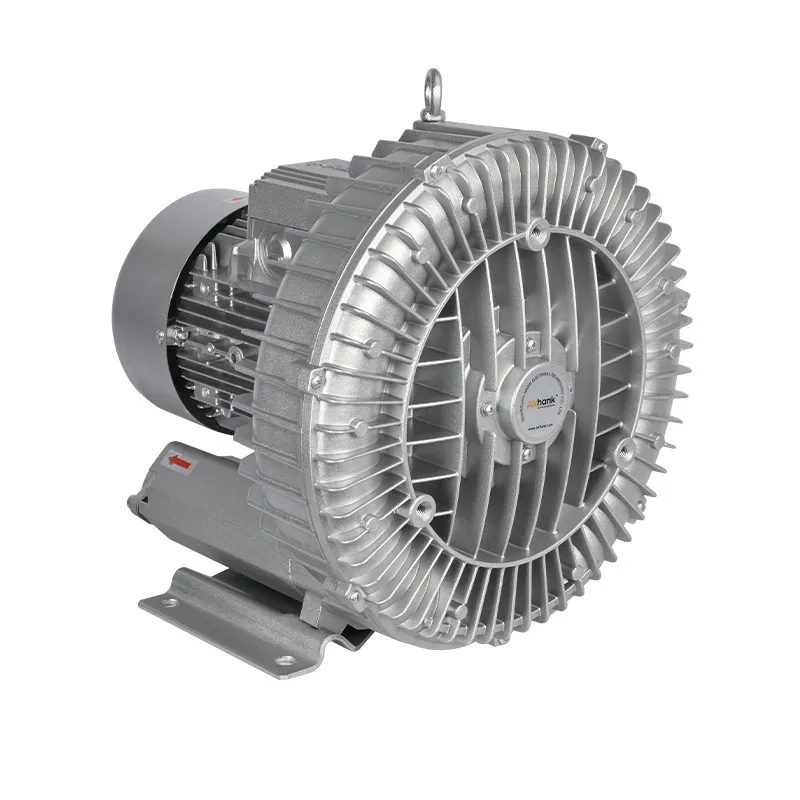
Adjusting the Speed
One of the primary adjustments you can make to a pump turbine side channel blower for high - altitude use is to increase its speed. By increasing the rotational speed of the impeller, you can compensate for the reduced air density. The impeller will be able to move more air in a given time, thereby increasing the airflow and pressure.
However, increasing the speed should be done with caution. Exceeding the blower's recommended maximum speed can lead to overheating, excessive wear on the components, and even mechanical failure. Consult the blower's user manual or contact the manufacturer to determine the safe speed range for high - altitude operation.
Modifying the Inlet and Outlet Settings
Another important adjustment involves modifying the inlet and outlet settings of the blower. At high altitudes, it may be necessary to adjust the inlet and outlet diameters to optimize the airflow. A larger inlet diameter can allow more air to enter the blower, while a smaller outlet diameter can help increase the pressure.
You can also consider installing inlet filters that are designed for high - altitude use. These filters are often more efficient at capturing dust and debris while minimizing the restriction of airflow. The Dedicated Drying System BlowerRBG810 5D5C comes with customizable inlet and outlet options, making it easier to adapt to high - altitude conditions.
Monitoring and Maintenance
After making the necessary adjustments, it is crucial to monitor the blower's performance closely. Use pressure gauges and flow meters to measure the airflow and pressure at the inlet and outlet of the blower. Compare these readings with the blower's specifications to ensure that it is operating within the desired range.
Regular maintenance is also essential for the long - term performance of the blower at high altitudes. Keep the blower clean and free of dust and debris. Lubricate the moving parts as recommended by the manufacturer. Inspect the electrical connections and wiring for any signs of damage or corrosion.
Fine - Tuning the Blower
As you monitor the blower's performance, you may find that further fine - tuning is required. This could involve making small adjustments to the speed, inlet and outlet settings, or other parameters. Keep a record of all the adjustments you make and the corresponding performance changes. This will help you optimize the blower's performance over time.
Safety Considerations
When adjusting a pump turbine side channel blower for high - altitude use, safety should always be a top priority. Follow all safety procedures outlined in the blower's user manual. Wear appropriate personal protective equipment, such as safety glasses, gloves, and ear protection.
Ensure that the blower is properly grounded to prevent electrical shock. If you are not familiar with the adjustment process, it is recommended to seek the assistance of a qualified technician.
Conclusion
Adjusting a pump turbine side channel blower for high - altitude use requires a combination of technical knowledge, careful monitoring, and regular maintenance. By understanding the challenges posed by high - altitude environments and making the necessary adjustments, you can ensure that your blower operates efficiently and reliably.
If you are in the market for a high - quality pump turbine side channel blower or need further assistance with high - altitude adjustments, we are here to help. Our team of experts has extensive experience in providing solutions for various industrial applications, including high - altitude operations. Contact us today to discuss your specific requirements and explore the best options for your business.
References
- Manufacturer's user manuals for pump turbine side channel blowers
- Technical literature on high - altitude fluid dynamics and blower performance
- Industry standards and guidelines for blower operation at high altitudes