

Can the 18.5kw high airflow super air blower be used for pneumatic conveying?
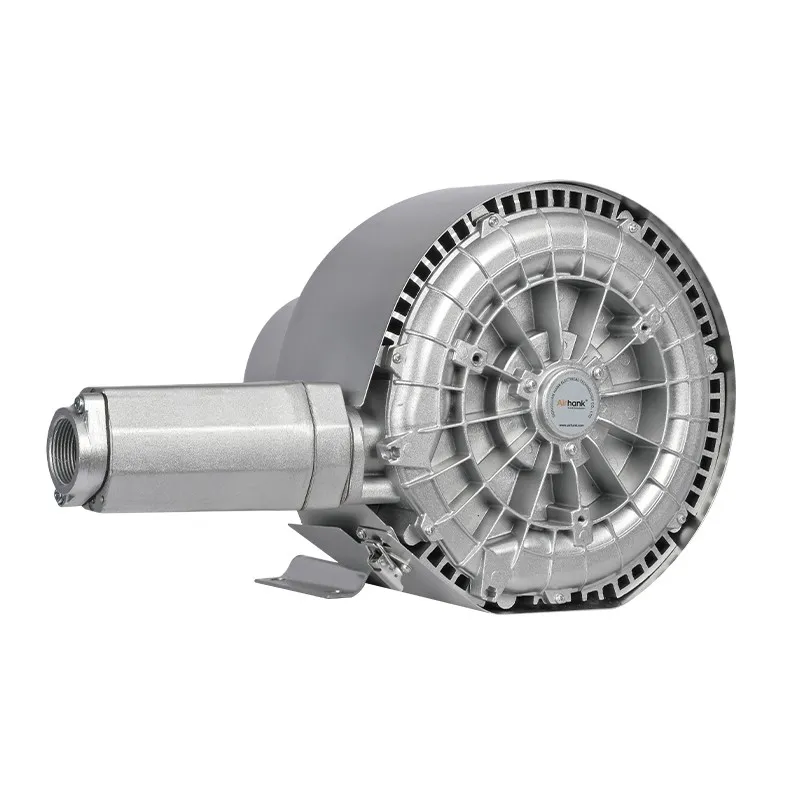
In the realm of industrial equipment, the question of whether a 18.5kw high airflow super air blower can be used for pneumatic conveying is a topic of significant interest. As a supplier of the 18.5KW High Airflow Super Air Blower, I am well - versed in the capabilities and applications of this powerful piece of machinery.
Understanding Pneumatic Conveying
Pneumatic conveying is a method of transporting bulk materials through a pipeline using the flow of air or gas. It is widely used in various industries such as food processing, pharmaceuticals, plastics, and mining. The process involves creating a pressure difference in the pipeline, which causes the air to flow and carry the materials along. There are two main types of pneumatic conveying: dilute - phase and dense - phase.
In dilute - phase conveying, the material is suspended in the air stream and moves at a relatively high velocity. This type of conveying is suitable for materials that are small, lightweight, and non - abrasive. On the other hand, dense - phase conveying involves moving the material in a more compact form, with a lower velocity and higher pressure. It is used for materials that are large, heavy, or abrasive.
Characteristics of the 18.5kw High Airflow Super Air Blower
The 18.5kw high airflow super air blower is designed to provide a large volume of air at a relatively high pressure. It has a high - efficiency motor that can generate a continuous and stable airflow. The blower is also equipped with advanced impeller technology, which allows it to achieve a high level of performance while consuming less energy.
One of the key features of this blower is its high airflow capacity. It can deliver a large amount of air, which is essential for pneumatic conveying. The high - pressure output ensures that the air can carry the materials through the pipeline effectively. Additionally, the blower is built with high - quality materials, which makes it durable and reliable even in harsh industrial environments.
Suitability for Pneumatic Conveying
When considering whether the 18.5kw high airflow super air blower can be used for pneumatic conveying, several factors need to be taken into account.
Airflow and Pressure Requirements
The first factor is the airflow and pressure requirements of the pneumatic conveying system. For dilute - phase conveying, a high airflow is usually required to keep the materials suspended in the air stream. The 18.5kw high airflow super air blower can easily meet the high - airflow demands of most dilute - phase conveying applications.
In dense - phase conveying, the pressure is more critical. The blower needs to be able to generate enough pressure to move the compacted materials through the pipeline. The high - pressure output of the 18.5kw blower makes it suitable for some dense - phase conveying applications, especially those with relatively short pipelines or less demanding materials.
Material Characteristics
The characteristics of the materials to be conveyed also play a crucial role. If the materials are small, lightweight, and non - abrasive, the high - velocity airflow of the blower in a dilute - phase system can effectively carry them. For example, in the food processing industry, the blower can be used to convey flour, sugar, or other fine powders.
However, if the materials are large, heavy, or abrasive, the blower may need to be adjusted or used in combination with other equipment. In some cases, a dense - phase conveying system may be required, and the blower's pressure and airflow need to be carefully optimized to ensure smooth operation.
Pipeline Length and Layout
The length and layout of the pipeline are also important considerations. Longer pipelines require more pressure to overcome the frictional losses. The 18.5kw high airflow super air blower can handle moderately long pipelines, but for very long pipelines, additional boosters or a more powerful blower may be necessary.
The layout of the pipeline, including bends, elbows, and vertical sections, can also affect the performance of the blower. Sharp bends and vertical sections increase the resistance in the pipeline, which requires more pressure from the blower. The blower's ability to maintain a stable airflow and pressure in complex pipeline layouts is an important factor in its suitability for pneumatic conveying.
Advantages of Using the 18.5kw High Airflow Super Air Blower in Pneumatic Conveying
There are several advantages to using the 18.5kw high airflow super air blower in pneumatic conveying.

Energy Efficiency
The high - efficiency motor of the blower consumes less energy compared to some other types of blowers. This not only reduces the operating costs but also makes it more environmentally friendly. In a pneumatic conveying system, where the blower may run continuously, energy efficiency is a significant advantage.
Reliability and Durability
As mentioned earlier, the blower is built with high - quality materials. It can withstand the harsh conditions of industrial environments, including dust, heat, and vibration. This reliability ensures that the pneumatic conveying system can operate continuously without frequent breakdowns, reducing downtime and maintenance costs.
Flexibility
The blower can be easily adjusted to meet different airflow and pressure requirements. This flexibility allows it to be used in a wide range of pneumatic conveying applications, from small - scale operations to large - scale industrial processes.
Comparison with Other Blowers
To better understand the suitability of the 18.5kw high airflow super air blower for pneumatic conveying, it is useful to compare it with other types of blowers.
For example, the RBG320 1D3B High - Pressure Aeration Blower is designed for high - pressure applications. While it can provide a high pressure, its airflow capacity may be lower compared to the 18.5kw high airflow super air blower. In pneumatic conveying, if a large volume of air is required, the 18.5kw blower may be a better choice.
On the other hand, the 0.5HP 0.4KW Air Blower for Fish Pond Aeration is designed for low - power and low - pressure applications. It is not suitable for pneumatic conveying, as it cannot provide the necessary airflow and pressure for transporting materials through a pipeline.
Conclusion
In conclusion, the 18.5kw high airflow super air blower can be used for pneumatic conveying in many cases. Its high airflow capacity and relatively high - pressure output make it suitable for both dilute - phase and some dense - phase conveying applications. However, the suitability depends on various factors such as the material characteristics, pipeline length and layout, and specific requirements of the pneumatic conveying system.
If you are considering using a blower for pneumatic conveying, I encourage you to contact us for more detailed information. Our team of experts can help you determine if the 18.5kw high airflow super air blower is the right choice for your application. We can also provide customized solutions based on your specific needs. Whether you are a small - scale business or a large - scale industrial enterprise, we are committed to providing you with high - quality products and excellent service.
References
- Perry, R. H., & Green, D. W. (1997). Perry's Chemical Engineers' Handbook. McGraw - Hill.
- Mills, P. L. (2003). Pneumatic Conveying Design Guide. Butterworth - Heinemann.