

Can an rbt double stage side channel blower be used in high - temperature environments?
Hey there! As a supplier of RBT double stage side channel blowers, I often get asked a ton of questions. One that pops up quite a bit is, "Can an RBT double stage side channel blower be used in high - temperature environments?" Well, let's dig into this topic and find out.
First off, let's understand what an RBT double stage side channel blower is. These blowers are pretty nifty pieces of equipment. They work by using two stages to generate higher pressure and flow rates compared to single - stage blowers. They're used in a wide range of applications, from industrial processes to environmental control systems.
Now, when it comes to high - temperature environments, things get a bit tricky. High - temperature conditions can have a significant impact on the performance and lifespan of any piece of machinery, and our blowers are no exception.
How High Temperatures Affect RBT Double Stage Side Channel Blowers
One of the main concerns with high temperatures is the effect on the blower's motor. The motor is the heart of the blower, and it generates heat during normal operation. In a high - temperature environment, the additional heat from the surroundings can cause the motor to overheat. When a motor overheats, it can lead to a decrease in efficiency. The motor might start drawing more power to maintain the same level of performance, which can result in higher energy costs.
Moreover, overheating can also damage the motor's insulation. The insulation is crucial for preventing electrical short - circuits. When the insulation breaks down due to excessive heat, it can lead to motor failure. And let's face it, a failed motor means downtime for your operations, which is never a good thing.
Another aspect to consider is the impact of high temperatures on the blower's bearings. Bearings are responsible for reducing friction between moving parts. In high - temperature environments, the lubricants used in the bearings can break down. When the lubricant fails, the friction between the bearing components increases. This not only leads to increased wear and tear but can also cause the bearings to seize up. A seized bearing can cause the entire blower to stop working, and replacing bearings can be a costly and time - consuming process.
The blower's housing and impellers can also be affected by high temperatures. The materials used in the housing and impellers are designed to withstand a certain range of temperatures. If the temperature exceeds this range, the materials can expand. This expansion can cause misalignment between the impeller and the housing, leading to reduced performance and increased noise levels. In extreme cases, the expanded materials can even cause physical damage to the blower.
Can They Be Used in High - Temperature Environments?
The short answer is, it depends. While RBT double stage side channel blowers are not typically designed for extreme high - temperature environments right out of the box, there are ways to make them suitable for such conditions.
One option is to use a cooling system. There are different types of cooling systems available, such as air - cooled and water - cooled systems. An air - cooled system works by blowing cool air over the motor and other heat - generating components to dissipate the heat. Water - cooled systems, on the other hand, use water to absorb the heat and transfer it away from the blower. By implementing a proper cooling system, you can keep the temperature of the blower within an acceptable range, even in a high - temperature environment.
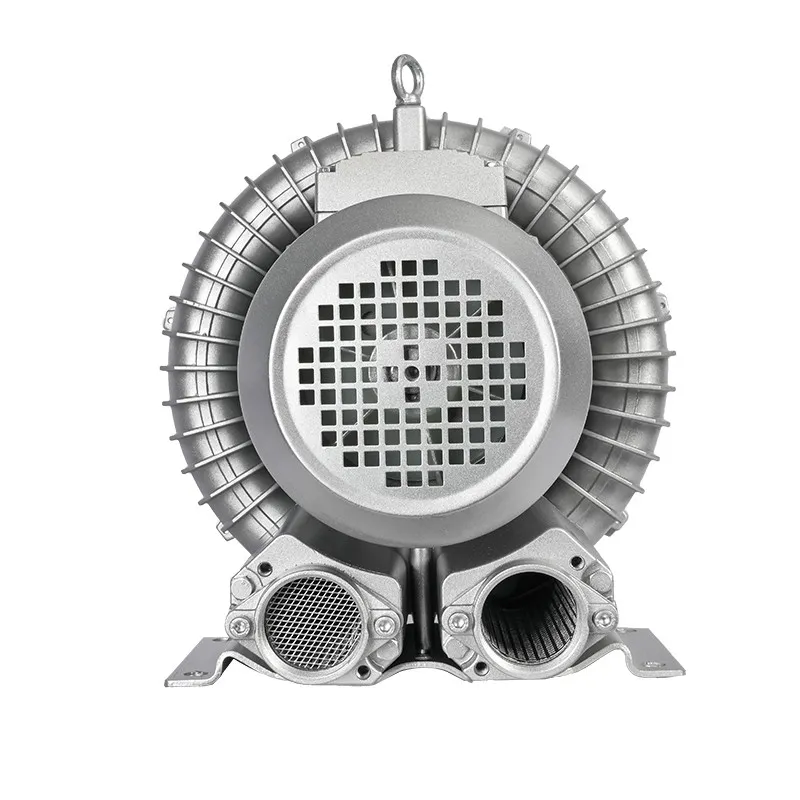

Another solution is to choose the right materials. Some manufacturers offer blowers with special materials that can withstand higher temperatures. For example, the motor can be equipped with high - temperature insulation, and the bearings can use lubricants that are more resistant to heat. By selecting these upgraded materials, you can enhance the blower's ability to operate in high - temperature conditions.
Real - World Applications
Let's take a look at some real - world scenarios where RBT double stage side channel blowers are used in high - temperature environments. In the drying industry, blowers are often used to provide the necessary air flow for drying processes. Some drying systems operate at relatively high temperatures. For instance, the Dedicated Drying System BlowerRBG810 5D5C can be used in such drying applications. With the right cooling and material upgrades, it can effectively handle the high - temperature environment while maintaining its performance.
In power generation plants, side channel blowers are used for various purposes, such as air intake and exhaust systems. These plants can have high - temperature areas, and blowers need to be able to function properly. The Pump Turbine Side Channel Blower can be customized to meet the requirements of these high - temperature applications. By incorporating advanced cooling technologies and high - temperature - resistant materials, it can operate reliably in the challenging conditions of power plants.
Conclusion
So, to sum it up, an RBT double stage side channel blower can be used in high - temperature environments, but it requires careful consideration and proper modifications. Whether it's through the use of cooling systems or the selection of high - temperature - resistant materials, there are ways to make these blowers suitable for such conditions.
If you're facing a high - temperature application and need a reliable blower, don't hesitate to reach out. We have a team of experts who can help you find the right solution for your specific needs. Whether it's customizing a blower with the right features or providing technical support, we're here to assist you. Let's work together to ensure your operations run smoothly, even in the most challenging environments.
References
- Blower Handbook, Industrial Blower Manufacturers Association
- High - Temperature Materials and Their Applications, Journal of Materials Science
- Cooling Technologies for Industrial Equipment, ASME Publications