

Are high speed centrifugal blowers energy - efficient?
In the realm of industrial equipment, the question of energy efficiency is paramount. As a supplier of high speed centrifugal blowers, I've witnessed firsthand the growing demand for energy - efficient solutions. High speed centrifugal blowers have emerged as a popular choice in various industries, but the burning question remains: Are high speed centrifugal blowers energy - efficient?
How High Speed Centrifugal Blowers Work
To understand their energy efficiency, we first need to grasp how high speed centrifugal blowers operate. These blowers use a high - speed rotating impeller to accelerate air or gas. The impeller draws in the fluid at the center and throws it outwards due to centrifugal force. As the fluid is expelled, a low - pressure area is created at the center, which continuously draws in more fluid.
This mechanism allows high speed centrifugal blowers to generate high volumes of air or gas flow at relatively high pressures. Unlike traditional blowers, they can achieve these results with fewer moving parts, which is a fundamental factor in their potential energy efficiency.
Factors Affecting Energy Efficiency
Aerodynamic Design
The aerodynamic design of the impeller and the volute casing plays a crucial role in energy efficiency. A well - designed impeller can minimize losses due to turbulence and friction. For instance, advanced impeller designs with optimized blade profiles can direct the fluid flow more smoothly, reducing the amount of energy wasted in creating unnecessary eddies. This efficient flow management translates into lower power consumption while maintaining high performance.
Variable Speed Drives
One of the significant advantages of high speed centrifugal blowers is their compatibility with variable speed drives (VSDs). VSDs allow the blower to adjust its speed according to the actual demand. In many industrial processes, the required air or gas flow varies throughout the operation. By using a VSD, the blower can run at a lower speed when the demand is low, consuming less energy. For example, in a wastewater treatment plant, the aeration requirements may be different during the day and at night. A high speed centrifugal blower with a VSD can be adjusted to match these changing demands, resulting in significant energy savings.
System Integration
The way the high speed centrifugal blower is integrated into the overall system also affects its energy efficiency. Proper ductwork design, including the sizing and layout of pipes, can minimize pressure losses. If the ducts are too narrow or have sharp bends, the blower has to work harder to overcome the increased resistance, leading to higher energy consumption. Additionally, ensuring that the blower is properly matched with other components in the system, such as filters and valves, can optimize the overall energy performance.
Energy Efficiency in Comparison
When compared to traditional blowers, high speed centrifugal blowers often have a clear edge in terms of energy efficiency. Positive displacement blowers, for example, operate at a fixed speed and deliver a constant volume of air regardless of the system pressure. This means that they may consume more energy than necessary when the demand is low. In contrast, high speed centrifugal blowers with VSDs can adapt to changing conditions, making them more energy - efficient in variable - load applications.
Another comparison can be made with low - speed centrifugal blowers. Low - speed blowers typically require larger impellers and more robust motors to achieve the same performance as high speed centrifugal blowers. These larger components often result in higher energy consumption. High speed centrifugal blowers, on the other hand, can achieve similar or better performance with smaller and more efficient components, leading to energy savings.

Real - World Applications and Energy Savings
High speed centrifugal blowers have found widespread use in many industries, and the energy savings in these applications are substantial.
Wastewater Treatment
In wastewater treatment plants, aeration is a critical process that consumes a significant amount of energy. High speed centrifugal blowers are used to supply oxygen to the treatment tanks, promoting the growth of bacteria that break down organic matter. By using high speed centrifugal blowers with VSDs, plants can reduce their energy consumption by up to 30 - 50% compared to traditional blowers. This not only saves on electricity costs but also reduces the plant's carbon footprint.
Pneumatic Conveying
In the food, pharmaceutical, and chemical industries, pneumatic conveying systems are used to transport powders and granules. High speed centrifugal blowers provide the necessary air flow to move these materials through the pipes. By optimizing the blower's speed and system design, companies can achieve significant energy savings in their pneumatic conveying operations.
Drying Processes
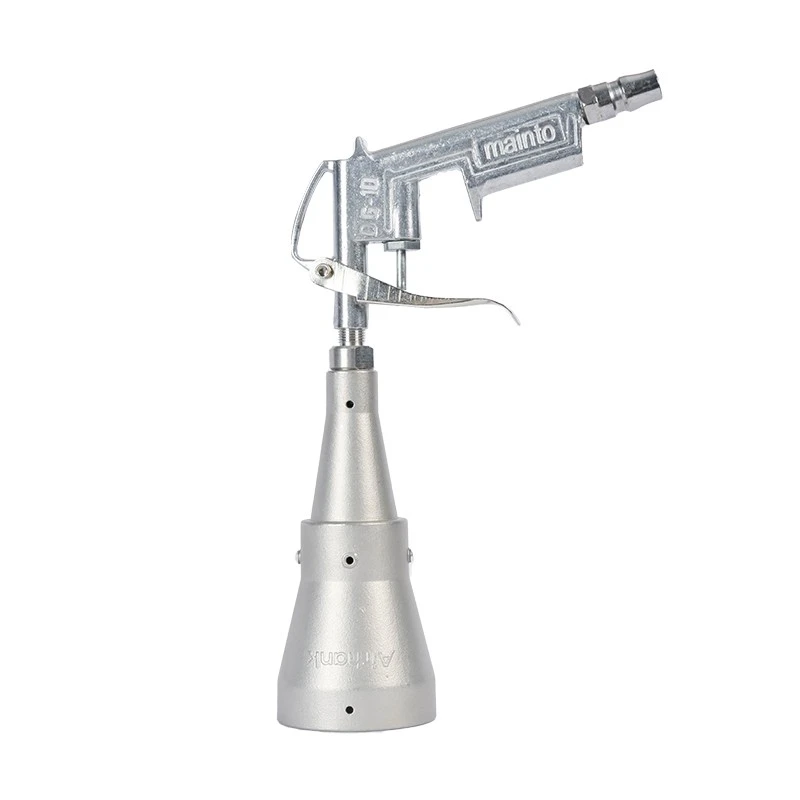
In drying applications, such as in the textile and paper industries, high speed centrifugal blowers are used to supply hot air for drying. The ability to adjust the blower speed according to the drying requirements can lead to substantial energy savings. For example, the Drying Blower for Ultrasonic CleanerDPT - 150 is designed to provide efficient drying with optimized energy consumption.
Case Studies
Let's take a look at a specific case study to illustrate the energy - saving potential of high speed centrifugal blowers. A large beverage manufacturing plant was using traditional positive displacement blowers for its pneumatic conveying system. The plant was experiencing high energy costs and was looking for a more efficient solution. After replacing the traditional blowers with high speed centrifugal blowers equipped with VSDs, the plant saw a reduction in energy consumption of 40%. This translated into significant cost savings over the course of a year.
Another case study involves a wastewater treatment facility. The facility upgraded its aeration system by installing high speed centrifugal blowers. The new blowers, combined with proper system integration and VSDs, resulted in a 35% reduction in energy consumption for the aeration process. This not only saved money but also improved the overall efficiency of the treatment process.
Conclusion
In conclusion, high speed centrifugal blowers are indeed energy - efficient, especially when compared to traditional blower technologies. Their energy efficiency is attributed to factors such as advanced aerodynamic design, the use of variable speed drives, and proper system integration. In real - world applications, these blowers have demonstrated significant energy savings, leading to cost reductions and a reduced environmental impact.
If you are considering upgrading your existing blower system or are in the market for a new high - performance blower, our high speed centrifugal blowers, such as the 1 RBG210 0D48 and the Rotating Nozzle, offer a reliable and energy - efficient solution. We are committed to providing our customers with the best - in - class products and support. If you have any questions or would like to discuss your specific requirements, please feel free to contact us for a detailed consultation and to start the procurement process.
References
- "Centrifugal Blower Handbook", published by Industrial Blower Manufacturers Association.
- "Energy Efficiency in Industrial Blower Systems", a research report by the Department of Energy.
- Case studies from various industries on the implementation of high speed centrifugal blowers.